Forgiveness is one of the most challenging invitations in Scripture.
Most of us readily embrace the idea of receiving God’s forgiveness. Extending it to someone who has deeply wounded us is another matter entirely. And often, forgiving ourselves is the greatest struggle.
Perhaps you’ve been betrayed by someone you trusted. Maybe you’ve experienced rejection, abandonment, criticism, or unfair treatment. The wound may be recent, or it may be decades old. Yet whenever you think about what happened, the pain still feels surprisingly fresh.
There is a reason for that.
The brain does not simply store memories; it stores the emotional significance attached to those memories. When a hurt remains unresolved, the brain can continue responding to it as though the threat is still present. What happened in the past continues to affect the present.
This is one reason forgiveness matters so much—not only spiritually, but neurologically and emotionally as well.
God’s commands are never arbitrary. When He calls us to forgive, He is not asking us to do something harmful. He is inviting us into freedom.
What Happens in the Brain When We Hold onto Unforgiveness?
When someone wounds us, the brain naturally goes into protection mode.
The amygdala, often described as the brain’s alarm system, helps us recognize threats and respond to danger. Emotional injuries can activate this system just as physical threats can. As a result, painful memories often become deeply embedded and easily triggered.
When we repeatedly replay an offense, rehearse conversations we wish we had, or relive the hurt over and over, the brain strengthens those neural pathways. The more frequently we travel those mental roads, the easier they become to access.
This helps explain why bitterness can feel so consuming.
What began as a legitimate wound can slowly become a pattern of thinking. The offense takes up residence in our minds, influencing our emotions, our relationships, and even our physical health.
Research continues to show that chronic resentment and unresolved anger are associated with elevated stress hormones, increased anxiety, sleep disruption, and greater emotional distress.
In other words, unforgiveness doesn’t just affect the heart. It affects the entire person.
Why Forgiveness Feels So Difficult
Many people resist forgiveness because they fear it minimizes what happened.
Forgiveness is often misunderstood. Forgiveness is not saying the offense was acceptable. It is not pretending the wound didn’t hurt.
It is not immediate trust. It is not the removal of healthy boundaries. And it is not necessarily reconciliation.
Forgiveness is releasing the debt. It is surrendering our right to personally collect payment for the offense.
That can feel impossible when the wound runs deep.
Part of us wants healing, while another part wants justice.
The good news is that God understands both desires.
Scripture never minimizes injustice. Throughout the Bible, God consistently demonstrates His concern for righteousness and truth. Yet He also reminds us that ultimate justice belongs to Him.
When we cling to bitterness, we often believe we are protecting ourselves. In reality, we may be keeping ourselves tethered to the very pain we long to escape.
How Forgiveness Changes the Brain
One of the most remarkable aspects of forgiveness is that it creates the conditions for healing..
When individuals choose forgiveness, different areas of the brain become engaged. Regions involved in emotional regulation, empathy, perspective-taking, and thoughtful decision-making become more active. Rather than remaining stuck in a cycle of emotional reactivity, the brain begins shifting toward regulation and restoration.
Forgiveness also helps calm the body’s stress response.
As anger, rumination, and resentment decrease, the nervous system often becomes less activated. The body is no longer carrying the same level of emotional vigilance.
Many people experience:
- Greater emotional peace
- Improved sleep
- Reduced anxiety
- Better stress management
- Increased resilience
- Healthier relationships
This does not happen because forgiveness changes the past.
It happens because forgiveness changes our relationship to the past.
The memory may remain, but its power begins to diminish.
What Does Scripture Teach About Forgiveness?
At the heart of Christianity stands a God who forgives.
From Genesis to Revelation, the story of Scripture is one of redemption and reconciliation. God’s forgiveness toward us becomes the model for how we forgive others.
Ephesians 4:31-32 offers this instruction: “Get rid of all bitterness, rage and anger… Be kind and compassionate to one another, forgiving each other, just as in Christ God forgave you.”
Notice the connection.
Bitterness and forgiveness cannot comfortably coexist.
One keeps us focused on the wound.
The other moves us toward healing.
This does not mean forgiveness happens overnight. Some hurts require repeated surrender. Sometimes forgiveness is less of a one-time decision and more of a daily practice.
Every time the memory resurfaces, we may need to choose once again to place it into God’s hands.
This process mirrors what Scripture teaches about renewing the mind. Transformation often occurs gradually as we repeatedly align our thoughts with truth.
Can Forgiveness Improve Mental Health?
While forgiveness is not a substitute for professional support when needed, it can be a significant contributor to emotional well-being.
Many people discover that carrying resentment requires enormous emotional energy. The constant replaying of painful experiences leaves little room for peace.
Forgiveness creates space.
Space for joy.
Space for gratitude.
Space for deeper relationships.
Space for hearing God’s voice more clearly.
When our minds are consumed with offense, it becomes difficult to focus on God’s presence and promises. Forgiveness helps quiet the internal noise that often keeps us stuck.
This doesn’t mean we forget what happened. Rather, we stop allowing the offense to define us.
How Do You Begin Forgiving?
If forgiveness feels overwhelming, start small.
Begin by acknowledging the wound honestly before God. He is not intimidated by your pain.
Ask Him to reveal any bitterness that may have taken root.
Pray for the willingness to forgive, even if you do not yet feel ready.
Remember that forgiveness is often an act of obedience before it becomes an emotional experience.
And allow yourself grace in the process.
Some wounds heal quickly. Others require time.
God is patient with both.
The Freedom Waiting on the Other Side
One of the greatest paradoxes of forgiveness is that the person who benefits most is often the one extending it.
The offender may never apologize. The relationship may never be restored. The circumstances may never change.
Yet forgiveness loosens the grip the offense has on your heart. It allows the brain to stop rehearsing the injury and begin focusing on healing. It creates room for peace where bitterness once lived. Most importantly, forgiveness reflects the heart of the One who forgave us first.
When we release our wounds into God’s hands, we discover that forgiveness is not primarily about setting someone else free.
It is about stepping into the freedom Christ has always intended for us.





Author Info
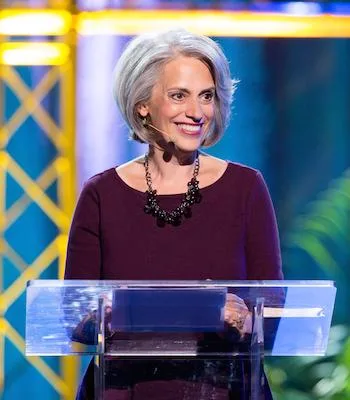
Dr. Michelle Bengtson
Dr. Michelle Bengtson is a board-certified clinical neuropsychologist, international speaker, and award-winning author. Known as a trusted voice in Christian mental health, she has over 30 years of experience helping people find hope, healing, and peace through the truth of God’s Word. She is known as a hope concierge, and hosts the popular podcast Your Hope-Filled Perspective. She is the bestselling author of several books including Hope Prevails and Breaking Anxiety’s Grip. A frequent guest on national media, Dr. Bengtson encourages audiences to break free from fear, anxiety, and depression by embracing God’s promises.
Facebook: https://www.facebook.com/DrMichelleBengtson
Twitter: https://twitter.com/DrMBengtson (@DrMBengtson)
Instagram: https://www.instagram.com/drmichellebengtson/